Articles
Endometriosis and its link to delayed conception
Dr. Asma Al-Momani · 12 November 2025
This English text is a translation awaiting the doctor's review.
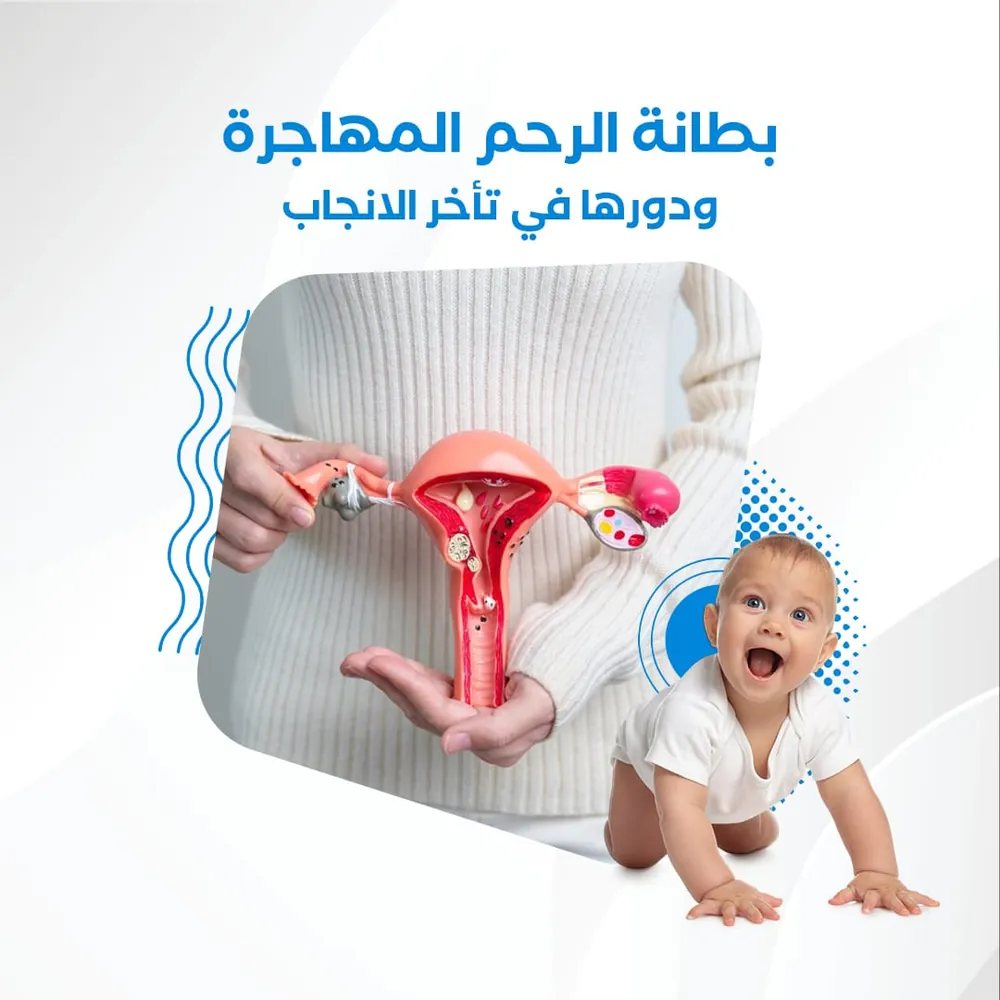
Endometriosis and its link to delayed pregnancy
Endometriosis is a gynaecological condition that may directly affect fertility. At the clinic of Dr. Asma Al-Momani we offer accurate diagnosis and individual treatment plans aimed at increasing the chances of having a child and restoring quality of life.
The clinic of Dr. Asma Al-Momani – advanced care for patients with endometriosis.
What is endometriosis?
Endometriosis happens when tissue similar to the lining of the uterus grows outside the uterine cavity — on the ovaries, the fallopian tubes or in the pelvis. This growth can cause chronic inflammation, adhesions and scarring, which harm the function of the reproductive system and the chances of pregnancy.
How does endometriosis contribute to delayed pregnancy?
- Blocked or damaged fallopian tubes: may stop the egg from meeting the sperm.
- Chronic inflammation: affects the pelvic environment and egg quality.
- Changes in the uterine lining: reduce the uterus's ability to receive the embryo.
- Ovarian cysts (endometriomas): reduce the reserve and quality of eggs.
An assessment of each case shows the role of each factor in the delay, so the right plan can be made.
Symptoms and signs
Symptoms vary from one patient to another, and include
- Severe pain during periods.
- Chronic pain in the pelvis or lower back.
- Difficulty conceiving despite trying.
- Pain during intercourse or irregular periods.
Diagnosis at the clinic of Dr. Asma Al-Momani
Diagnosis relies on the medical history, a clinical examination and advanced imaging such as transvaginal ultrasound, and MRI when needed. In unclear cases, a laparoscopy is done as the gold standard to confirm the diagnosis and assess how far it has spread.
For more about our diagnostic services, please visit the services page on the clinic's website.
Treatment options and their effect on the chances of pregnancy
The treatment strategy depends on the severity of the condition and the patient's wish to become pregnant:
- Medication: hormonal contraceptives or progestins to ease symptoms and reduce the activity of the tissue.
- Laparoscopic surgery: removing the misplaced tissue and releasing adhesions to improve the pelvic structure and increase the chances of pregnancy.
- Assisted reproduction: ICSI or IVF when the fallopian tubes are damaged or other methods have failed.
At the clinic of Dr. Asma Al-Momani we prepare an individual treatment plan that combines effectiveness and safety, with continuous medical follow-up to support the patient's journey towards pregnancy.
When should you see a doctor?
If you have persistent symptoms or have had difficulty conceiving for more than 12 months (or 6 months for women over 35), we advise booking an assessment at the clinic of Dr. Asma Al-Momani. Early intervention improves treatment options and increases the chances of a successful pregnancy.
About the clinic of Dr. Asma Al-Momani
At the clinic of Dr. Asma Al-Momani — consultant in obstetrics, gynecology, IVF and infertility — we offer accurate diagnosis and advanced treatment options for endometriosis and delayed pregnancy. The clinic provides personal follow-up and treatment plans tailored to each case, with continuous medical and emotional support.
To book an appointment or ask a question: contact us.
Frequently asked questions
Can laparoscopy improve the chances of pregnancy? Yes, surgically removing the misplaced tissue and releasing adhesions can improve the pelvic structure and increase the chances of pregnancy in certain cases.
Does medication prevent pregnancy? Some hormonal treatments used to reduce symptoms may affect pregnancy temporarily, so we discuss the timing of treatment in line with the patient's wish to become pregnant.
This article is general information and does not replace a medical consultation. Every case is different: talk to your doctor before any decision.
More articles


Ready for the first step?
Book your appointment now, or message us on WhatsApp and the clinic team will answer you.