
Services
Embryo, egg and sperm freezing
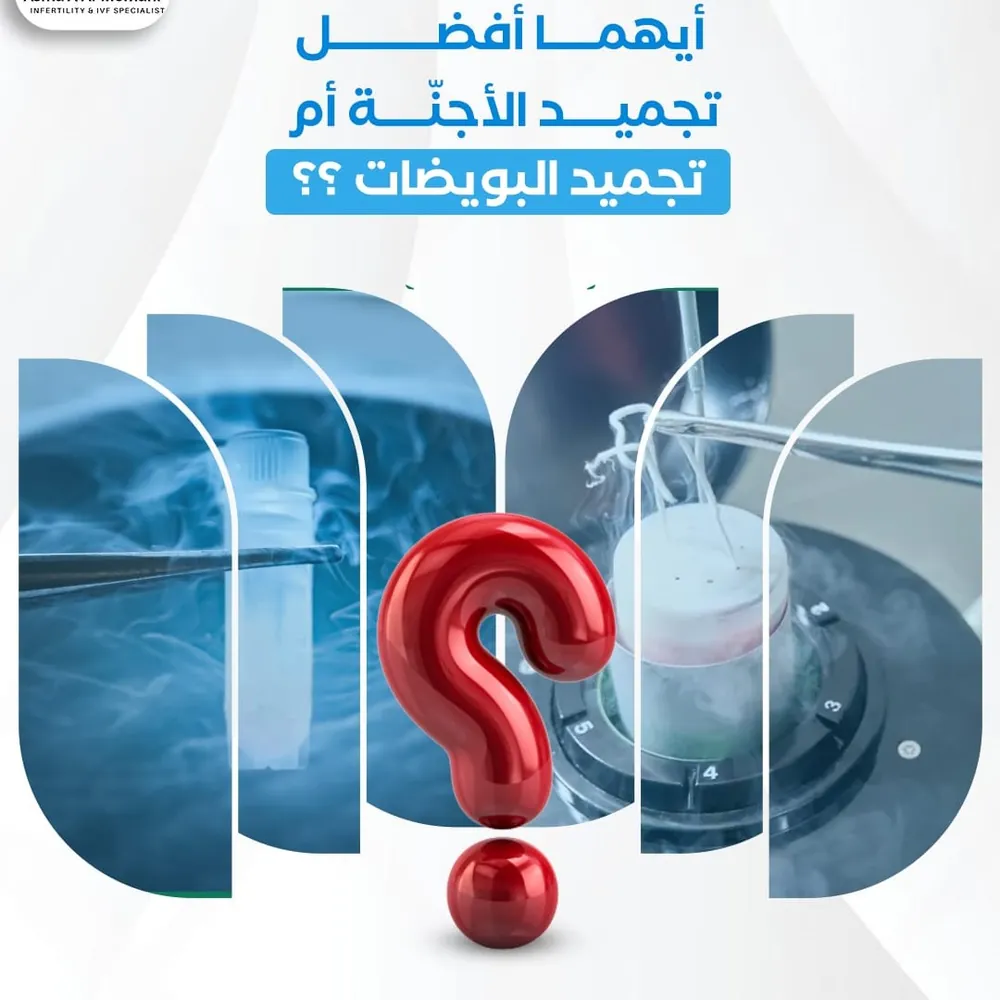
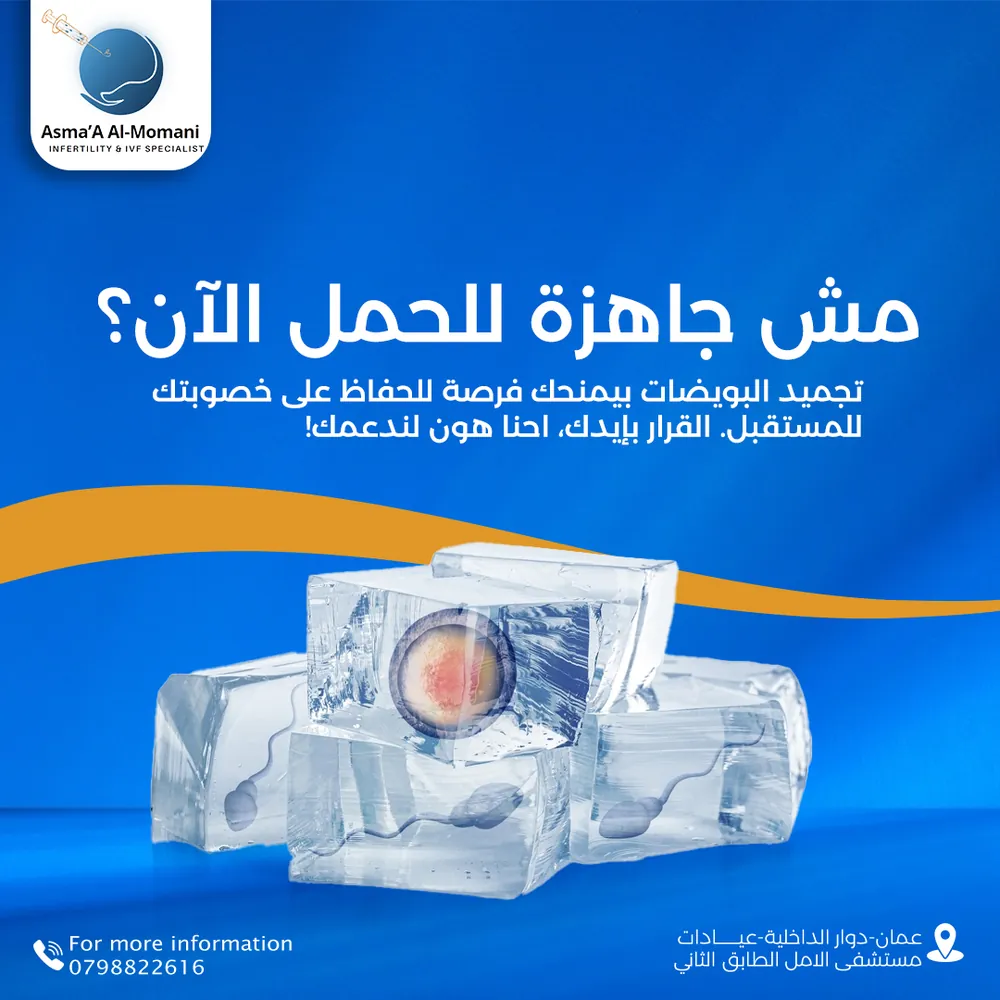
Freezing embryos, eggs and sperm to keep the chance of having children in the future.
This English text is a translation awaiting the doctor's review.
Embryo, egg and sperm freezing: steps to preserve fertility
In reproductive medicine, freezing embryos, eggs and sperm has become a leading solution that gives couples and individuals new ways to preserve their fertility. Whether the goal is to delay pregnancy, to treat infertility or to protect fertility in certain medical situations, freezing reproductive cells offers major benefits.
What is embryo, egg and sperm freezing?
Freezing embryos, eggs and sperm is a medical procedure that preserves reproductive cells for a long time for later use. They are frozen in specialised laboratories at very low temperatures, which stops the cells from deteriorating and allows them to be used in the future.
- Embryo freezing: eggs are collected after ovarian stimulation and fertilised with sperm in the laboratory. When the embryos reach a certain stage, they are frozen for later use.
- Egg freezing: eggs are collected and frozen without fertilisation. They can be used later when pregnancy is postponed or when health problems may affect fertility.
- Sperm freezing: sperm is collected and frozen for later use, for treatment or in special medical situations.
Reasons for freezing embryos, eggs and sperm
The main reasons people consider freezing reproductive cells are:
- Delaying pregnancy: many women freeze their eggs at a younger age for personal or professional reasons, to have children later.
- Infertility treatment: embryos, sperm and eggs can be frozen for future use, especially before treatments such as chemotherapy or radiotherapy that affect fertility.
- Medical conditions: treating some diseases, such as cancer, may require freezing reproductive cells beforehand to keep the ability to have children.
Success of frozen versus fresh embryo transfer
Many patients ask about the difference in success between frozen and fresh embryos, especially in ICSI or IVF.
- Frozen embryos: studies show that transferring frozen embryos can be as successful as fresh ones, provided freezing and storage are done correctly. In some cases success may be slightly lower, but advances such as rapid freezing (vitrification) have improved results considerably.
- Fresh embryos: fresh embryos are often well able to divide and grow after transfer, which supports the chance of pregnancy. Results vary with the woman's age and the quality of the embryos.
How long can embryos, eggs and sperm be kept?
A common question is how long frozen reproductive cells remain usable. In general, embryos, eggs and sperm can be stored for long periods of ten years or more, depending on medical standards and local laws in each country.
- Embryos: can be stored for a long time and are often used several years after freezing without affecting their quality or the chance of pregnancy.
- Eggs: are kept for several years, ideally frozen at a younger age for the best results.
- Sperm: can be stored for several years and used at any time in the future.
Conclusion
Freezing embryos, eggs and sperm is an important step to preserve fertility, especially when pregnancy or treatment must be postponed. These techniques give many patients new hope and the chance to have children in the future. At the clinic of Dr. Asma Al-Momani, we offer the latest assisted reproduction techniques with the highest level of care and transparency at every stage. Whether you are considering freezing or looking for the best infertility treatment, we are committed to supporting you on your journey.
Related articles
Ready for the first step?
Book your appointment now, or message us on WhatsApp and the clinic team will answer you.