Services
IUI and sperm preparation
Improving the quality of the sperm used in intrauterine insemination to raise the chances of pregnancy.
This English text is a translation awaiting the doctor's review.
IUI and sperm preparation: effective steps towards having a child
Assisted reproduction techniques are among the medical solutions that help couples who have difficulty conceiving naturally. One of them is intrauterine insemination (IUI), a basic treatment for infertility in which sperm is placed directly into the woman's uterus around ovulation, increasing the chances of pregnancy. Here we explain IUI and sperm preparation, and the difference between IUI and ICSI.
What is IUI?
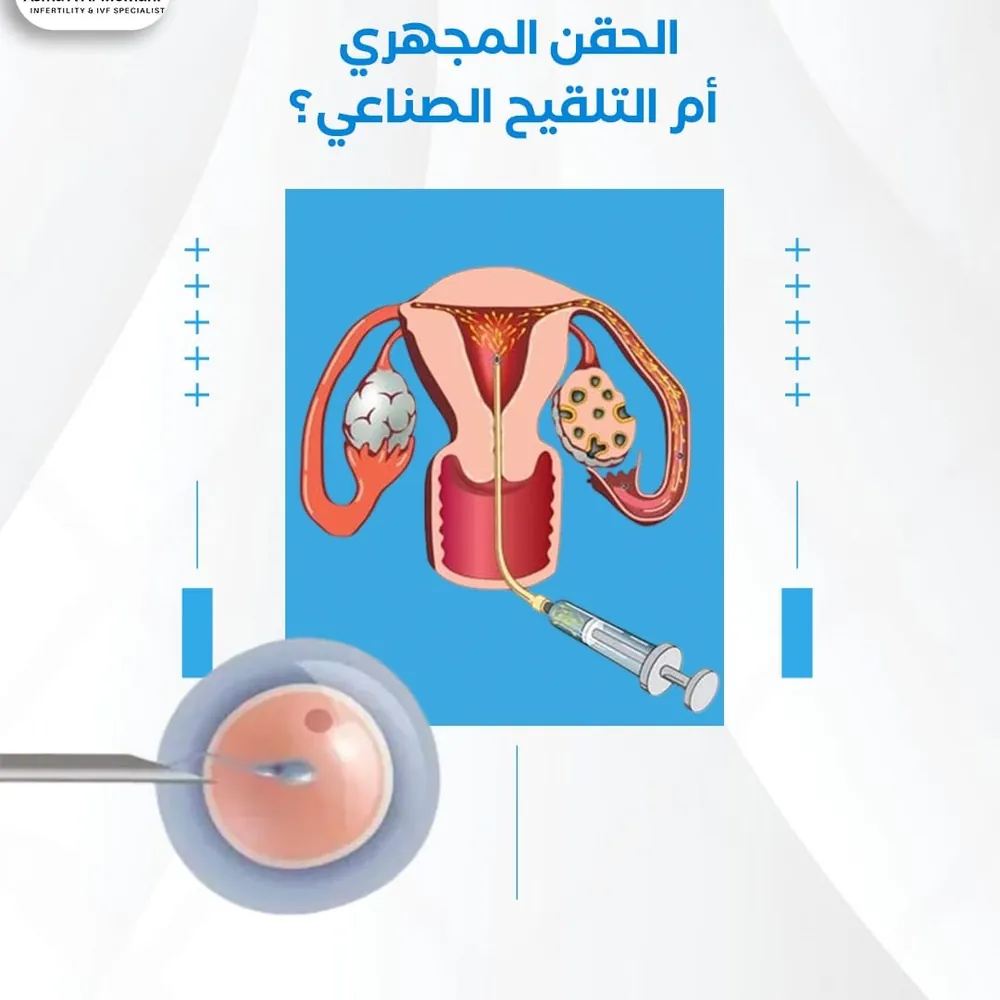
IUI is a simple medical procedure used when infertility is due to problems with natural fertilisation, such as weak sperm motility or ovulation problems. Sperm is collected from the husband and placed directly into the wife's uterus through a thin tube passed through the cervix, at the best time of ovulation. The aim is to increase the chances of fertilisation by placing the sperm close to the egg in the right environment.
What is sperm preparation?
Sperm preparation improves the quality of the sperm used for IUI. The healthiest sperm, most able to fertilise, are sorted and selected, giving the best chance of pregnancy. It is an essential step when the husband has weak sperm motility or a low sperm count.
How are IUI and sperm preparation done?
- Sperm collection: treatment starts by collecting sperm from the husband, which is processed in the laboratory to select the best sperm.
- Ovulation stimulation: the wife takes medicines that stimulate the ovaries to produce several eggs.
- Insemination: at the right time in the cycle, the prepared sperm is placed directly into the wife's uterus through a thin tube.
The difference between IUI and ICSI
IUI and ICSI share the same goal — increasing the chances of pregnancy for couples who have difficulty conceiving — but they differ in how fertilisation happens:
- IUI: sperm is placed directly into the uterus around ovulation, and fertilisation happens naturally inside the body. Sperm and egg do not meet in the laboratory.
- ICSI (IVF): unlike IUI, eggs are collected from the woman's body and fertilised in the laboratory by injecting a single sperm directly into each egg with a fine needle; the embryos are then returned to the uterus. ICSI is more complex and more effective in severe infertility.
Which option is better?
The right choice depends on the couple's situation. IUI may be best when the woman is in good health and ovulates normally, while ICSI may be preferred in complex infertility involving problems with the eggs or the sperm.
Conclusion
Assisted reproduction techniques such as IUI and sperm preparation are effective ways to help couples have a child, especially when natural fertilisation is difficult. At the clinic of Dr. Asma Al-Momani we offer these treatments with the latest techniques and the highest standards of care, assessing every case individually to choose the best options available.
Related articles

Ready for the first step?
Book your appointment now, or message us on WhatsApp and the clinic team will answer you.