Articles
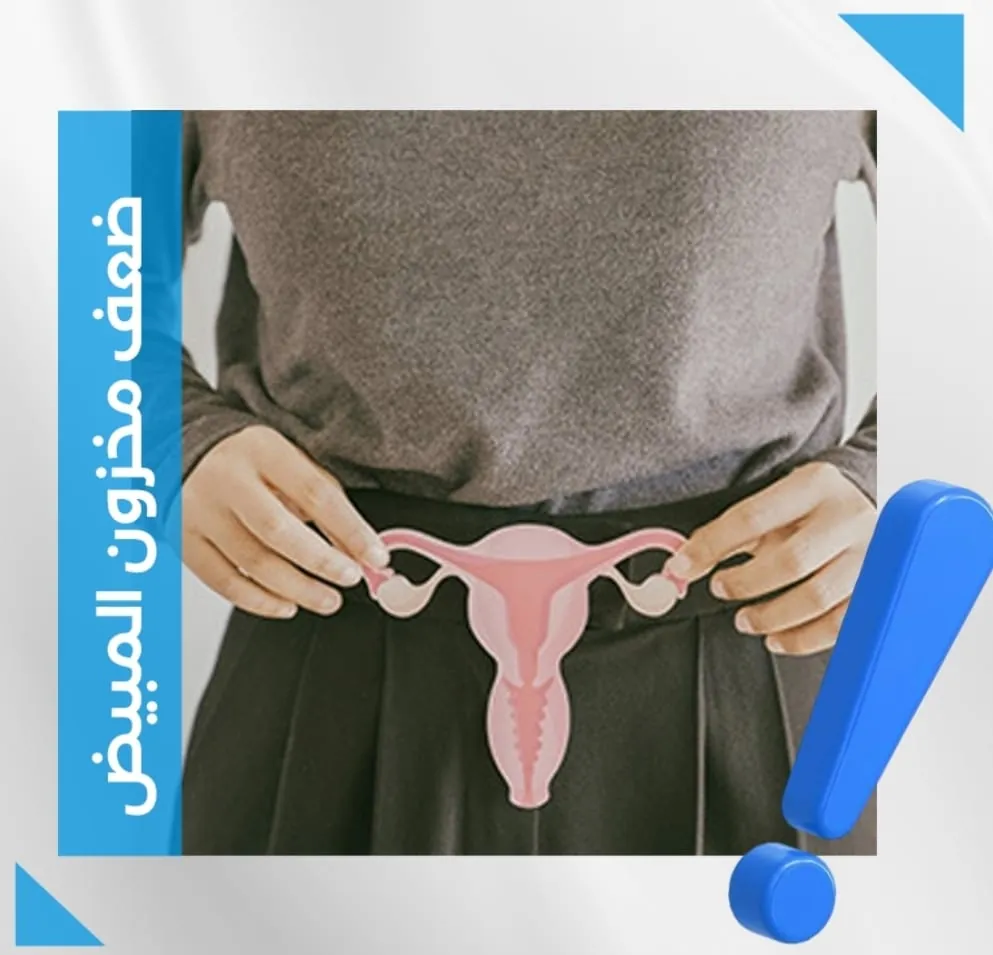
Low ovarian reserve: causes, diagnosis and effect on the chances of pregnancy
Dr. Asma Al-Momani · 28 December 2025
This English text is a translation awaiting the doctor's review.
Low ovarian reserve is one of the most common causes of delayed conception in women, especially with age. The diagnosis is both an emotional and a medical challenge, but medical progress in infertility treatment offers several options to manage it and increase the chances of pregnancy, whether natural or through assisted reproduction.
What is low ovarian reserve?
Low ovarian reserve means fewer eggs remain in the ovary than is normal for the woman's age. A woman is born with a fixed number of eggs that gradually declines over the years, until the number and quality of eggs fall below what is needed to conceive naturally with ease.
What causes low ovarian reserve?
Age is the most common cause, but other factors may contribute, such as genetics, previous ovarian surgery, chemotherapy or radiotherapy, smoking and some autoimmune diseases. Low reserve may also appear in some women at a young age without a clear cause.
How is low ovarian reserve diagnosed?
Diagnosis relies on a set of precise tests, most notably the AMH hormone test and an FSH test at the start of the menstrual cycle, together with a transvaginal ultrasound to count the follicles. These tests help the doctor estimate how well the ovary will respond to treatment and choose the most suitable plan for each case.
Does low ovarian reserve prevent pregnancy?
Low ovarian reserve does not necessarily mean pregnancy is impossible, but it may lower the chances of natural conception. Many women with low reserve have become pregnant, naturally or through assisted reproduction such as IVF. Much depends on the quality of the remaining eggs and on making the right treatment decision quickly.
Treatment options for low ovarian reserve
Options vary with the woman's age and how low the reserve is. They may include ovarian stimulation with special protocols, or IVF with a treatment plan adapted to achieve the best possible response. In some cases it may be advised to start treatment sooner, or to consider fertility preservation when the diagnosis is made early.
The importance of early intervention and close follow-up
The earlier low ovarian reserve is diagnosed, the more the available treatment options can help. Close follow-up and a quick response to any change in test results are key to improving the chances of success, especially in cases that need sensitive treatment decisions.
Dr. Asma Al-Momani's specialised approach to low ovarian reserve
Dr. Asma Al-Momani manages low ovarian reserve with a balanced scientific approach that combines medical precision with a deep understanding of the emotional side of the diagnosis. She builds an individual treatment plan for each patient based on a comprehensive assessment, making the most of the available options, with close follow-up and constant contact to support the patient at every stage of treatment.
This article is general information and does not replace a medical consultation. Every case is different: talk to your doctor before any decision.
More articles


Ready for the first step?
Book your appointment now, or message us on WhatsApp and the clinic team will answer you.